21/05/2012
Sea Lion, the amphibious car
A man who set about building a racy amphibious car in 2006, has finally finished it and is putting it up for sale.
The futuristic-looking vehicle, which has been built on top of a 174hp Mazda rotary engine, can do 125mph on tarmac and 60mph in water (that’s on top of it like a boat, not under it like a sub).
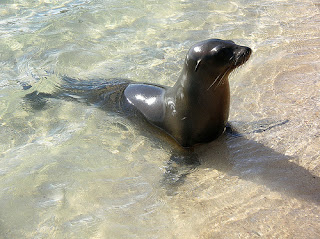 The Sea Lion, as it has been lovingly named by its creator, is being sold for $259,500 – about £163,355 – and I don’t know how much it will cost to insure.
I can imagine a car insurance company would look at this vehicle and just see ‘very high risk car’ written all over it. Not only is there a risk that it will crash on the roads, but there’s the added risk of it crashing into a boat or sinking.
Would they still sort out maintenance and pick-up if you were stranded on open water? I’d like to see a road-side repairs company try their hand at some boating.
Nevertheless, I have no doubt that the car has been well built – after all it took six years to make it.
The creator states, “Building Sea Lion has been an enjoyable exploration. I have provided the basic architecture for the car and resolved every conflicting interaction between car and boat.”
I’d love to have a car-boat, but this model’s a bit too speedy-looking for me. When an amphibious mini or VW camper comes along, I’ll be buying it no matter the cost.
The futuristic-looking vehicle, which has been built on top of a 174hp Mazda rotary engine, can do 125mph on tarmac and 60mph in water (that’s on top of it like a boat, not under it like a sub).
 The Sea Lion, as it has been lovingly named by its creator, is being sold for $259,500 – about £163,355 – and I don’t know how much it will cost to insure.
I can imagine a car insurance company would look at this vehicle and just see ‘very high risk car’ written all over it. Not only is there a risk that it will crash on the roads, but there’s the added risk of it crashing into a boat or sinking.
Would they still sort out maintenance and pick-up if you were stranded on open water? I’d like to see a road-side repairs company try their hand at some boating.
Nevertheless, I have no doubt that the car has been well built – after all it took six years to make it.
The creator states, “Building Sea Lion has been an enjoyable exploration. I have provided the basic architecture for the car and resolved every conflicting interaction between car and boat.”
I’d love to have a car-boat, but this model’s a bit too speedy-looking for me. When an amphibious mini or VW camper comes along, I’ll be buying it no matter the cost.
Photo © sly06 via Flickr, under Creative Commons Licence
Labels: amphibious car, boat, car insurance, crash, insure, Mazda, mini, road-side repair, rotary engine, Sea Lion, tarmac, vehicle, VW camper, water
17/02/2012
Antifreeze fish
Has your car ever run out of antifreeze at the wrong moment, resulting in you having to rummage around in the garage or your boot to top it up while grumbling about how cold it is outside?
 Well, one group of fish will never have to worry about this problem.
Yes, we know that no fish will ever have this problem because none of them – to our knowledge – are drivers, but that’s not what we meant.
These particular fish, the notothenioids, live in sub-zero waters in the Antarctic and have developed what is being called ‘natural antifreeze’ in their bodies which makes them able to survive the devastatingly cold temperatures they swim in.
There are more than 120 of these ‘antifreeze’ fish species and they have managed to live for millions of years and through the ice age that killed many other fish that hadn’t adapted well enough to the cold.
Worryingly though, these marine animals have adapted themselves so well to the cold that if climate change increases the temperatures of their water too much, they’re unlikely to survive.
So, the next time you top up the antifreeze in your car, think of these strange Antarctic fish and drive in an economical way to help reduce your carbon footprint. The notothenioids would thank you if they could.
 Well, one group of fish will never have to worry about this problem.
 Yes, we know that no fish will ever have this problem because none of them – to our knowledge – are drivers, but that’s not what we meant.
These particular fish, the notothenioids, live in sub-zero waters in the Antarctic and have developed what is being called ‘natural antifreeze’ in their bodies which makes them able to survive the devastatingly cold temperatures they swim in.
There are more than 120 of these ‘antifreeze’ fish species and they have managed to live for millions of years and through the ice age that killed many other fish that hadn’t adapted well enough to the cold.
Worryingly though, these marine animals have adapted themselves so well to the cold that if climate change increases the temperatures of their water too much, they’re unlikely to survive.
So, the next time you top up the antifreeze in your car, think of these strange Antarctic fish and drive in an economical way to help reduce your carbon footprint. The notothenioids would thank you if they could.
Photo © NOAA Photo Library via Flickr, under Creative Commons Licence
Labels: adapted, Antarctic, antifreeze, boot, car, carbon footprint, cold, driver, economical, fish, garage, notothenioids, sub-zero, temperature, water

Subscribe to Posts [Atom]